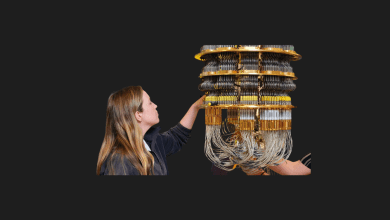
Revolutionary Technology: Lithium to be Produced from Geothermal Sources

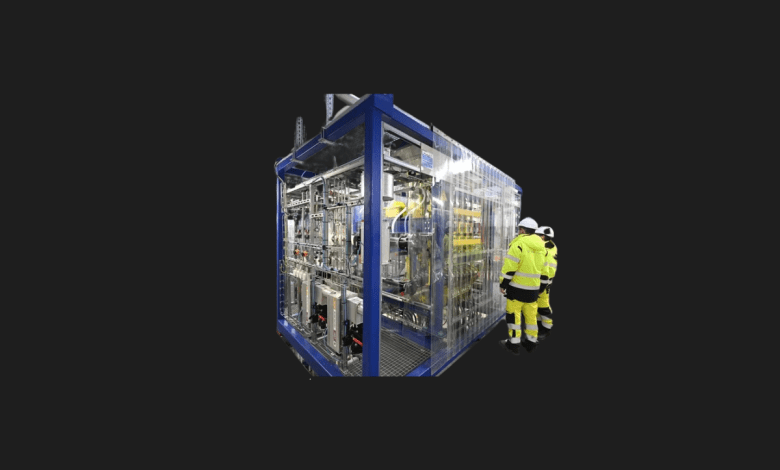

Vulcan Energy has completed €2.2 billion in financing to transition to lithium production from geothermal brine in Germany. The project aims for a domestic and sustainable lithium supply by 2028.
Australian company Vulcan Energy has announced that a critical stage has been reached in its geothermal-based lithium project in Germany’s Upper Rhine Valley. The company has finalized €2.2 billion in financing for the Lionheart project, which relies on obtaining lithium from hot, highly mineralized brine extracted from geothermal reservoirs.
Thanks to this funding, the installation of full commercial facilities, following pilot-scale studies, will begin in the coming days. Vulcan states that lithium produced from geothermal sources will be ready at a commercial scale in 2028.
Both Sustainable and Highly Clean

Lionheart places a unique process at the center of Europe’s goal to establish a domestic and sustainable lithium supply chain, combining geothermal energy with mineral production. Under the project, hot brine drawn from deep geothermal reservoirs is used simultaneously for energy generation and lithium extraction. Once the fluid is extracted underground, lithium ions are separated via a chemical process and converted into lithium hydroxide used in battery production. This method offers a low-carbon production model of strategic importance to Europe, characterized by zero fossil fuel consumption and minimal waste generation.
The project also includes a geothermal power plant that will provide renewable electricity and heat to the region. Thus, the extracted fluid transforms into both a resource for mineral processing and an energy source for local communities. As is known, the EU and many other regions are dependent on China for critical raw materials. Therefore, such projects are even more valuable than usual. Europe is closely monitoring this project as geothermal-based lithium is viewed as one of the cleanest methods of domestic production. The need for Europe to turn to its own resources is made more evident by China’s decisive role in global lithium trade and the dominance of giants like CATL in the world battery market.
Batteries for 500,000 Vehicles

In its definitive feasibility study published in February 2023, Vulcan announced it would reach an annual production capacity of 24,000 tons of lithium hydroxide monohydrate (LHM). This target is maintained with the new financing. The company states that this amount will be sufficient for the production of approximately 500,000 electric vehicle batteries per year.

Buyers for the lithium to be produced in the first phase of the project have already been confirmed. Long-term supply agreements have been signed with Umicore, LG Energy Solution, Stellantis, and Glencore. LG Energy Solution will take 31,000 tons over six years, while Umicore will take 23,000 tons in the same period. Stellantis will purchase a total of 128,000 tons over ten years, and Glencore will purchase between 36,000 and 44,000 tons over eight years.
You Might Also Like;